


Wine Making
The Approach
Rooted in decades of experience across some of California's most celebrated projects, including Evening Land Vineyards, Sandhi, and Domaine de la Côte, the winemaking at Phelan Farm is defined by restraint, precision, and an unwavering respect for place. That foundation, built through a career recognized by three James Beard Awards and documented in two industry-defining books, informs every decision made in the vineyard and the cellar.
The Process
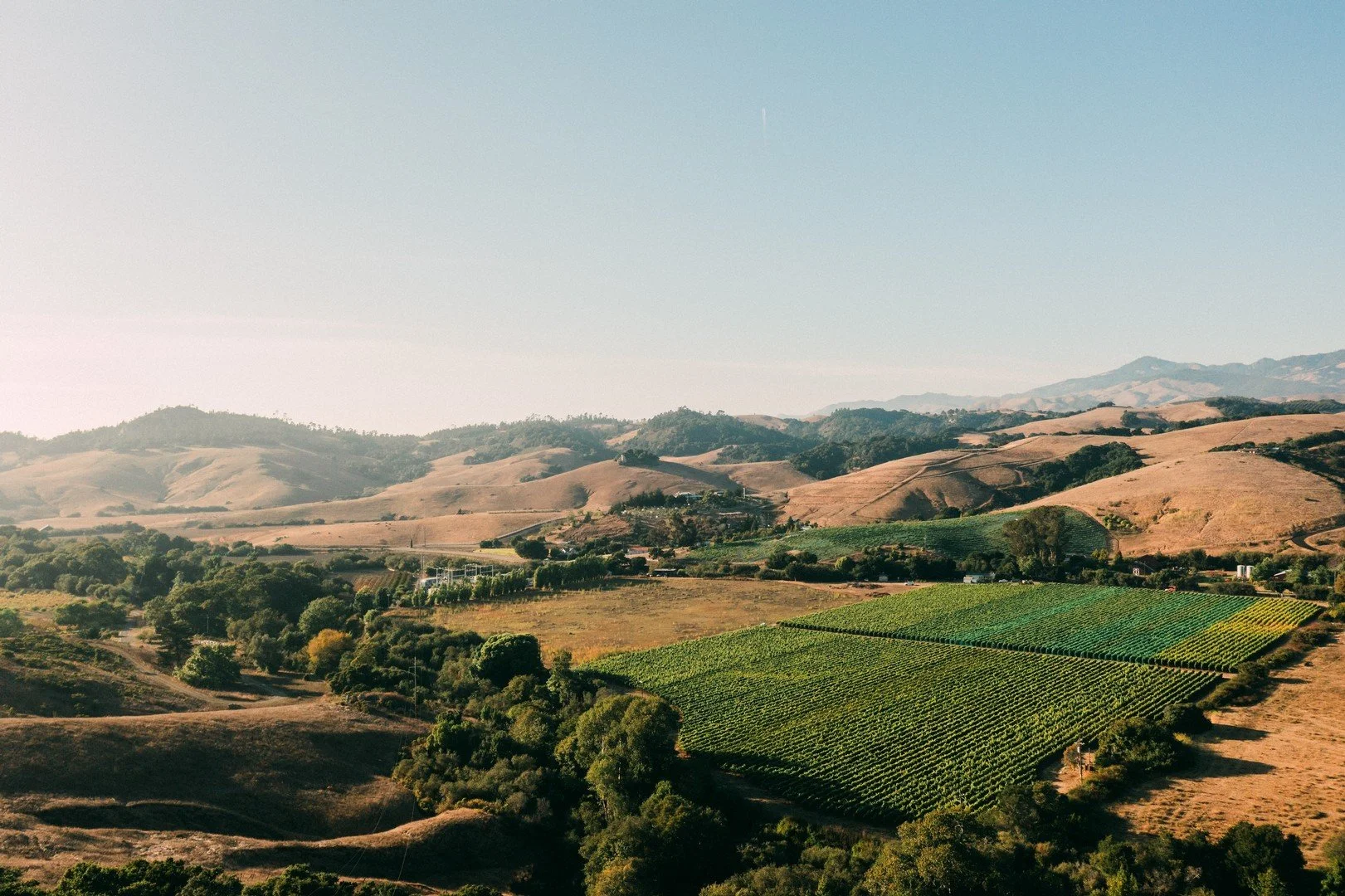
Farming comes first. Grape varieties suited to the cool-climate San Luis Obispo Coast AVA, including Chardonnay, Pinot Noir, Trousseau, Gamay, Poulsard, Mondeuse, and Savagnin, are cultivated using regenerative principles that prioritize soil health and vine resilience from the roots up. When harvest arrives, the work in the cellar follows a single philosophy: add nothing, take nothing away. Fermentation and aging proceed with as little intervention as possible, all wines resting in older oak barrels of varying sizes before being hand bottled without fining or filtration. The goal is not to make wine, but to let the land, the fog, the wind, and the sun speak for themselves.
Farming
Parr Wines is the home of wines made by Rajat Parr in Cambria. It grew out of years on the road—walking vineyards, working harvests, and sitting at tables late into the night—and from a belief we have carried for a long time: the most meaningful wines come from people who work with humility and places farmed with intention.
Here near Cambria, the ocean defines everything. It shapes the air, slows the vines, and leaves its trace in the soil. From these cool, quiet hills come the wines of Phelan Farm, grown with deep respect for the land. Brij Wines are sourced from organically farmed vineyards across the SLO Coast. Scythian Wine Co. finds its roots in old vines in Temecula, while Ponti—our vineyard in Santa Barbara County—is my tribute to the Italian varietals we love. Each has its own voice, but all are connected by the same values: organic farming, patience, and restraint in the cellar.
At Phelan Farm, the work begins beneath the surface. We farm regeneratively, always trying to give back more than we take. Cover crops build life and structure, animals become part of the rhythm of the place, and native plants are encouraged to return. The goal isn’t yield or control—it’s balance. Living soils that hold water, breathe, and support vines in their own time. For us, farming is an act of attention: how the vines respond, how the ground smells after rain, how the light moves through the rows.
In the cellar, the approach remains the same. We intervene as little as possible—native fermentations, no additives, and patience to let the wines find their shape. Each barrel and foudre carries its own energy, its own pace. Our role is not to force, but to guide gently and step back when needed. When things align, the wines feel alive—clear, honest expressions of place and season.
Here are a few more details about each of our projects:
On the far edge of Cambria, where Pacific wind cuts through cypress and pine, Phelan Farm sits in a landscape that doesn't give anything freely. The slopes are steep, the air stays cool, and the vines adapt through pressure, scarcity, and time, pushing down through fractured shale and calcareous clay to find what they need. Thirty-three acres. No irrigation, no chemicals, no shortcuts. Water arrives only when the season brings it: winter rain, fog, morning dew. Farming here is regenerative by both design and necessity. Sheep graze and fertilize in the oldest rhythm. Cover crops rise and return, building life in the soil. Among these coastal blocks, the focus is on the varieties of Jura and Savoie, grapes with natural tension and lift that speak honestly in cool air, marine influence, and fractured stone. In the cellar, restraint continues: native yeasts, neutral vessels, gentle extraction, no additions or corrections. Bottled by hand, without fining or filtration. The wine isn't manufactured, it's revealed. Not perfected, but expressed. Phelan Farm is built on humility, following nature instead of managing it, honoring the land instead of controlling it. A practice. A devotion to soil, to life, and to authenticity in every bottle.

Brij wines begin with relationships. The grapes come from friends and neighbors, farmers who tend their land organically and share a common understanding of what it means to grow honestly. There is no chase for trophy fruit or marquee appellations. Just trust, proximity, and the kind of sourcing that only comes from years of working alongside people who care about the same things. In the cellar, the approach carries the same philosophy as Phelan Farm: careful, thoughtful, and hands-off when possible. Native yeasts drive the fermentations. Vessels stay neutral. The wines are not pushed or pulled into shape. What the growers bring in is what the wine becomes. The focus is on clarity and energy, not weight or excess. These are wines built for the table, for conversation, for the kind of drinking that doesn't demand attention but rewards it. Honest and precise, they don't perform. They express. Each bottle a clear reflection of where the grapes were grown, who grew them, and why that still matters.
SCYTHIAN WINE Company is historically significant vineyards of Cucamonga, just east of Los Angeles, and Temecula, just north of San Diego. As a complement to Rajat’s focus on the SLO Coast, the goal is always to create pure wines that shine a light on these other lesser-known areas of California’s wine country, to tell the stories of these vineyards in the glass once more, and to work to safeguard Californian wine history. These exceptional vineyards - all over 100 years old - have defied all odds to remain rooted in the ground today. As such, Rajat named the company after the fierce nomadic ancient warriors of the Eurasian steppe. The Scythian Wine Company is a collaboration with Abe Schoener of Los Angeles River Wine Company and other dear friends.

Ponti is an exploration. Rajat Parr has spent decades navigating the world's great wine regions, and what draws him back, again and again, is the honest expression of place. With Ponti, he turns his attention to Italian varietals, grapes with deep roots in tradition, and asks a simple question: what happens when they are planted in the cooler coastal climate of California's Central Coast? The answer is still being written, bottle by bottle. The Central Coast offers something Italian growing regions know well: restraint. Cool air, marine influence, long growing seasons that slow ripening and preserve tension. Italian varietals, already built for acidity and structure, find a natural affinity here. They don't need to be managed into balance. The climate does much of that work. In the cellar, the approach follows the same hands-off philosophy that runs through everything in this portfolio. The goal is not to impose, but to reveal. Ponti is not about replication. It is not trying to recreate Italy on California soil. It is something more curious than that, a conversation between two places, shaped by one winemaker's deep respect for both.
News
Replanting the North Hillside Vineyard
A brief update from Raj to all of us about the North Hillside Vineyard replanting and what to hope for in the coming years…
SAN FRANCISCO CHRONICLE
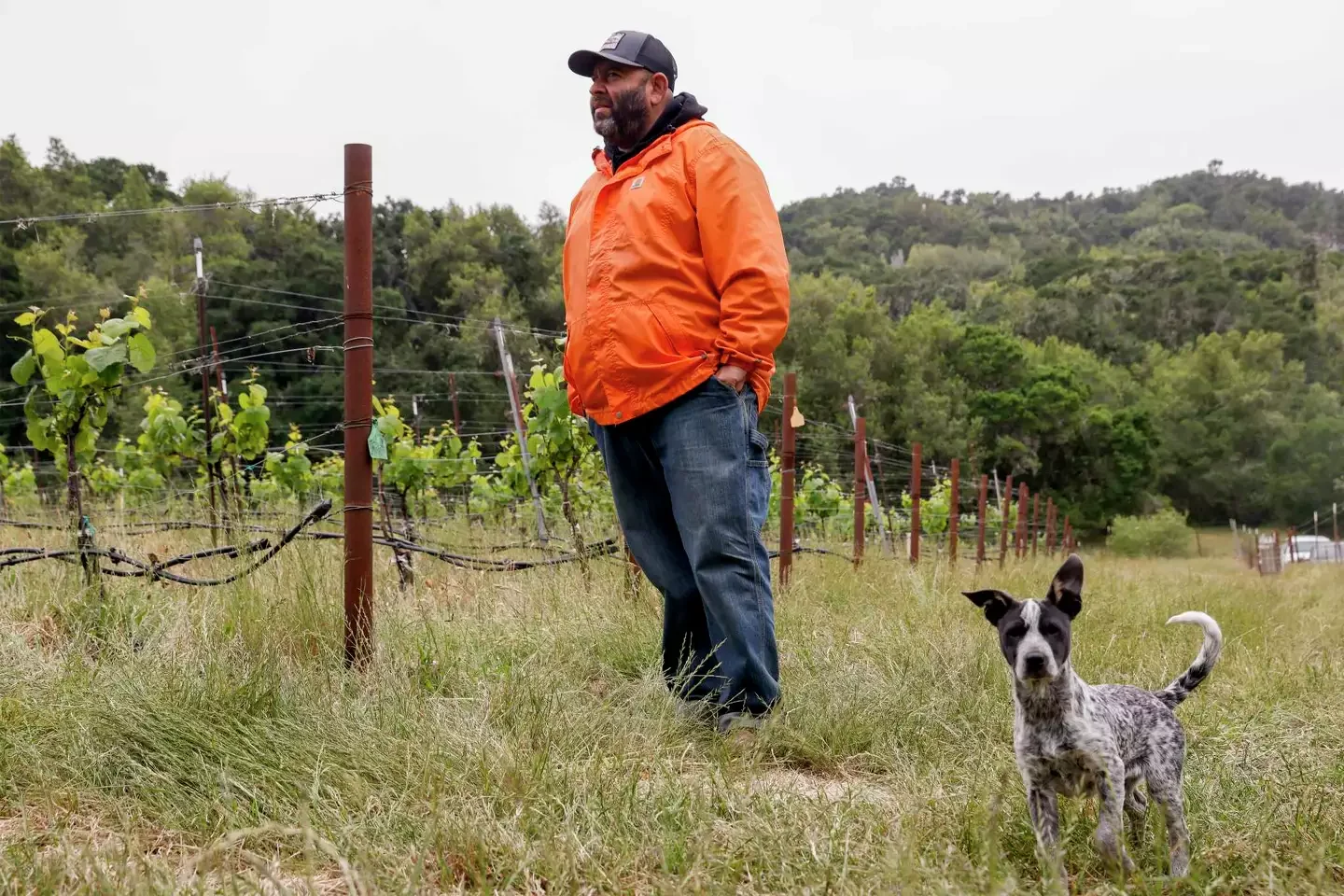
California’s most influential sommelier-turned-winemaker wants to radically change grape farming
“Three miles from the ocean, Raj Parr, a sommelier-turned-winemaker who has become one of the wine industry’s biggest celebrities, is farming what could be California’s most radical vineyard.”
The Team

Anna Callan-Paredes
Winemaker
Daniel Callan
Scott Wills
Viticulturist
Member Services